Free Phone & Internet in Alaska: Lifeline Benefits, Providers, and How to Apply (2026)
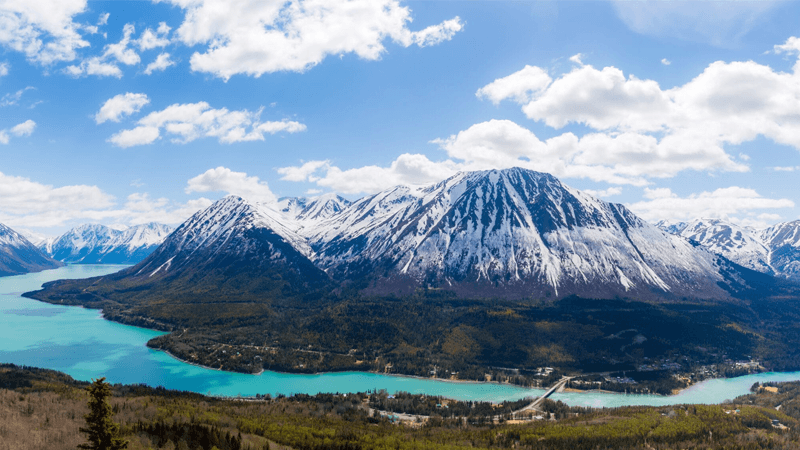
Living in Alaska is unlike anywhere else in the country. Whether you're in Anchorage, out on the Arctic Slope, or in a small village only reachable by bush plane, staying connected matters. Phone service isn't just convenient here — it's how you reach a doctor, keep up with school, or call for help in an emergency.
That's where the Lifeline program comes in. It's a government benefit that helps low-income households get free or very cheap phone and internet service. If you're an Alaska resident struggling to afford a phone, this guide will walk you through everything you need to know — in plain language.
What Is Lifeline and How Much Help Can You Get?
Lifeline is a federal program run by the FCC that gives you a monthly discount on phone or internet service. Here's how the numbers break down in Alaska:
- Standard discount: $9.25 per month off your phone or internet bill
- Enhanced Tribal discount: up to $34.25 per month if you live on qualifying Tribal lands
On top of that, Alaska has its own state fund — the Alaska Universal Service Fund (AUSF) — that adds extra support. Thanks to this state boost, some rural carriers can offer basic local phone service for as little as $1 per month to qualified customers.
There's also a one-time benefit called Link-Up America that covers half your installation or activation fee — up to $30 (or $100 on Tribal lands).
Who Qualifies for Lifeline in Alaska?
You can qualify in one of two ways:
1. Program-Based Eligibility
If you or someone in your household participates in any of these programs, you likely qualify:
- Medicaid
- SNAP (food stamps)
- Supplemental Security Income (SSI)
- Federal Public Housing Assistance
- Veterans Pension or Survivors Benefit
- Bureau of Indian Affairs (BIA) General Assistance
- Tribal TANF
- Food Distribution Program on Indian Reservations (FDPIR)
- Alaska Senior Benefits Program
2. Income-Based Eligibility
If your household income is at or below 135% of the Federal Poverty Guidelines, you qualify based on income. You'll need to show proof, like three consecutive months of pay stubs.
Lifeline Providers in Alaska
Not every provider is available in every part of Alaska, but here's a comparison of the main ones:
| Provider | Type of Service | High-Speed Data | Monthly Minutes | Free Phone? | Network Used |
|---|---|---|---|---|---|
| GCI | Wireless & Home Internet | 12 GB | Unlimited nationwide | Bring your own or buy one | GCI's own network |
| Alaska Communications | Home Internet & Landline | Unlimited (no cap) | Unlimited local | Home-based equipment | Alaska Comm. fiber/DSL |
| TruConnect | Wireless | 4.5 GB | Unlimited talk & text | Free SIM for your phone | AT&T |
| Cintex Wireless | Wireless | 4.5 GB to 15 GB | 1,000 min to unlimited | Free smartphone possible | GCI / AT&T |
| Gen Mobile | Wireless | 4.5 GB (6 GB with own phone) | Unlimited | Free basic phone or bring your own | AT&T or T-Mobile |
| Copper Valley Telecom | Wireless & DSL (regional) | 500 MB minimum | Unlimited local | Standard device (voice only) | Regional network |
| United Utilities (UUI) | Home Internet (rural) | 100 GB to unlimited | Unlimited local | Specialized equipment | GCI/UUI network |
Which Provider Should You Pick?
If you live in the Railbelt area (Homer to Anchorage to Fairbanks), you'll have the most options with decent 5G speeds. GCI is the only major carrier that actually owns its own towers in Alaska, so they tend to be the most reliable statewide.
If you're in a remote village, your best bet is often your local cooperative (like Copper Valley Telecom or United Utilities). National providers like TruConnect or Gen Mobile might sound tempting, but if they don't have a roaming agreement with your local tower, your phone could end up only working on Wi-Fi.
Word of caution: TruConnect has been known to cap speeds at 5 Mbps unless you pay extra — something to keep in mind when comparing plans.
How to Apply for Lifeline in Alaska
You have two ways to apply:
Option 1: The National Verifier (Federal)
The National Verifier is the federal system run by USAC. If you're on Medicaid or other federal programs, it can often verify you automatically — no paperwork needed. If the automatic check doesn't work, you'll need to upload documents like a benefits award letter or pay stubs.
Apply online at LifelineSupport.org or ask your provider to help you apply.
Option 2: The Alaska Connect Portal (State)
Alaska has its own application portal called Alaska Connect. The nice thing about this option is that you can apply for Lifeline at the same time as other state benefits like SNAP. It also keeps your recertification dates and notices in one place, so you're less likely to miss a deadline.
Our advice: If you can, use the Alaska Connect portal. It tends to have more up-to-date info on Alaska-specific programs, which means fewer document uploads and a smoother process overall.
Common Reasons Applications Get Rejected (and How to Avoid Them)
A lot of Alaska Lifeline applications get denied — not because people don't qualify, but because of paperwork issues. Here are the big ones to watch out for:
🏠 No Street Address? Use Coordinates
Many Alaska homes don't have a normal mailing address. The system might flag yours as "invalid." If that happens, use the USAC mapping tool to pinpoint your exact location, or provide your latitude and longitude coordinates.
👨👩👧 Multiple People in One House
Lifeline has a strict "one per household" rule — only one discount per home. But if you live with other adults and you don't share money or bills, each of you can qualify separately. You'll need to fill out a Household Worksheet to show that your finances are separate.
📄 Stale or Incomplete Documents
If you're qualifying based on income, make sure your pay stubs are from three consecutive months and are less than 12 months old. If you're using a SNAP card, you also need to include the official award letter — the card alone usually isn't enough.
🪪 Tribal ID Issues
If you're using a Tribal ID instead of a Social Security number, the system might not verify you automatically. Have your Tribal enrollment letter or Certificate of Degree of Indian Blood (CDIB) ready to upload.
Special Programs for Seniors, Tribal Members, and Foster Youth
Seniors (65+)
The Alaska Senior Benefits Program gives cash payments of $76 to $250 per month depending on your income — and being in this program automatically qualifies you for Lifeline. You can get help applying through the Aging and Disability Resource Centers at 855-565-2017 or the Division of Public Assistance at 800-478-7778.
Tribal Members
The Enhanced Tribal Benefit is the biggest Lifeline discount available — up to $34.25/month. If you live on Tribal lands and qualify, this can cover most or all of your phone bill. Organizations like the Iñupiat Community of the Arctic Slope (907-852-2448) and the Central Council of Tlingit and Haida Indian Tribes (907-463-7169) have staff who can help you with the paperwork.
Foster Youth
If you were in foster care on or after your 16th birthday, you may be eligible for Education and Training Vouchers and Independent Living funds that can help pay for phone service. Facing Foster Care in Alaska (907-222-4214) has a guide specifically for youth navigating these benefits. If you're under 18 and emancipated, you'll need court documents to open a Lifeline account in your own name.
Frequently Asked Questions
Can I get unlimited data through Lifeline?
Most wireless Lifeline plans have a high-speed data cap (ranging from 4.5 GB to 15 GB). After you hit the cap, data still works but slows way down. For truly unlimited high-speed data, look into home internet options from Alaska Communications or UUI, which can be subsidized under the Tribal benefit.
I live in a village with only one carrier. Can I use a different one?
For home phone or internet service, you're limited to the carrier authorized for your area. For wireless, you can technically sign up with any Lifeline provider — but if they don't have service in your village, your phone won't be much use. Check USAC's Companies Near Me tool to see what's available.
Why was my renewal rejected?
The most common reason is missing the recertification deadline. Mail in Alaska can be slow, so don't wait for a letter — log into the Alaska Connect portal to check your recertification date.
Can I use my Lifeline discount for Starlink?
Not currently. Starlink isn't designated as a Lifeline provider in Alaska, so the discount won't apply.
What's the "usage" requirement?
If your Lifeline plan is completely free (the discount covers the whole bill), you need to use it at least once every 30 days — make a call, send a text, or use mobile data. If you don't, you could lose your benefit.
Free Help Is Available
You don't have to figure this out alone. Here are some places to get assistance:
- Alaska Legal Services Corporation — Free legal help if you've been wrongly denied or de-enrolled: 800-478-3173
- Access Alaska — Help for seniors and people with disabilities: 800-770-4488
- Tanana Chiefs Conference — Help for Interior Alaska villages: 907-452-8251
- Alaska Child Resource Family — Support for foster and kinship families: 800-478-7307
- Lifeline Support Center — General help with the federal application: 800-234-9473
The Bottom Line
Alaska's Lifeline program is one of the most generous in the country, especially for folks living on Tribal lands. Between the federal discount, the state's extra support through the AUSF, and the new Alaska Connect Fund pushing for better broadband, there's real help available.
The key is choosing the right provider for your area and keeping on top of your paperwork. Use the Alaska Connect portal if you can, don't wait for mail if you can check online, and reach out to the local organizations listed above if you get stuck. A free phone and internet connection is within reach — you just need to take that first step.
Related Articles
Badger State, Bigger Benefit: How to Get a Free Government Cell Phone in Wisconsin (2026)
Wisconsin stacks a state Universal Service Fund supplement on top of federal Lifeline, so a qualifying household can get up to $18.50 a month — one of the biggest combined benefits in the country. Here's how to claim it, why you must ask each carrier if they're 'federal-only,' and the Wisconsin-specific debt rule that can block your enrollment.
July 11, 2026Mountain State, Mailed Method: How to Get a Free Government Cell Phone in West Virginia (2026)
West Virginia runs two low-income phone programs side by side: standard federal wireless Lifeline plus a state Tel-Assistance program that caps qualifying wireline service at $7.50 for anyone 60+ or disabled. Here's how each track works, what the Green Bank Quiet Zone means for wireless plans, and how to file the paper-only ES-TA-2 form with your local DHS office.
July 4, 2026